
- Home
- Tile Adhesive
- Quantum Tile Adhesive
Quantum Tile Adhesive
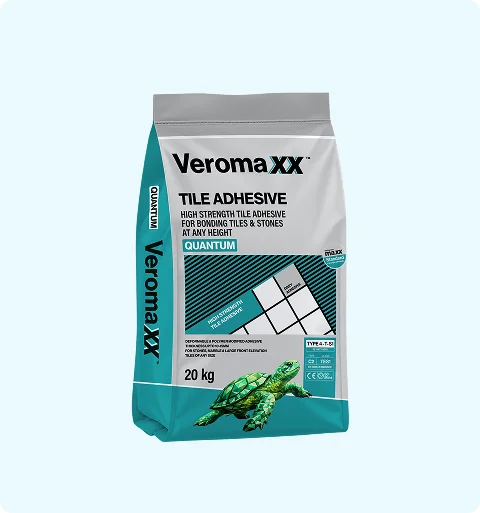
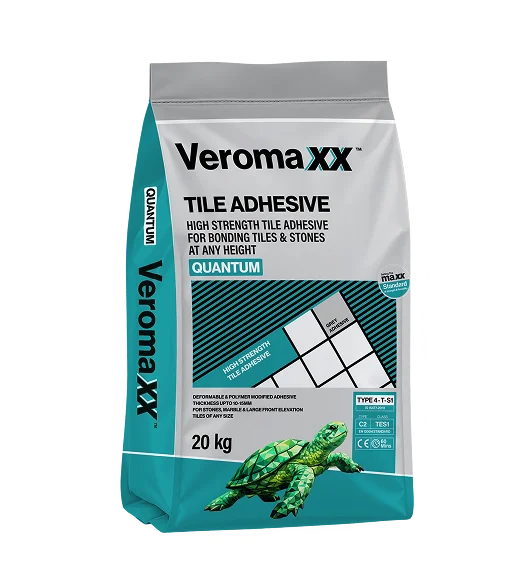
Veromaxx Quantum is the flagship specification in the Veromaxx tile adhesive range – a deformable, highly polymer-modified cement-based adhesive engineered for the most demanding tile and stone installations. Classified as Type 4 T-S1 (C2 TE S1) under IS 15477 and EN 12004 – the highest classification available for cementitious tile adhesives – Quantum combines every performance rating that matters: extended open time (E), slip resistance (T), and Class S1 deformability that lets the adhesive accommodate substrate movement and thermal stress without transferring it to the tile. When the project involves marble, front elevation cladding, tiles at height, or any installation where substrate movement is a real risk, Quantum is the specification.
What is Veromaxx Quantum Tile Adhesive?
Veromaxx Quantum is a Type 4 (Class C2 TE S1) deformable tile adhesive – the highest cementitious classification available under IS 15477. The critical difference from lower grades is the “S1” designation, which certifies deformability: the cured adhesive can flex 2.5-5mm transversely without cracking, accommodating small substrate movements from thermal expansion, building settlement, or dynamic load without transferring stress to the tile bond. This deformability is what makes Quantum the correct specification for façade cladding at height, marble installations on movement-prone substrates, and any project where the alternative would be tile debonding within a few years.
Quantum is the specification for marble installation, high-rise façade cladding, elevation tile work at any building height, and large-format tile installations of any size where standard Type 3 performance is not enough.
Stronger Than Traditional Cement Mortar
It is the professional specification for premium residential façades, commercial building elevations, and prestigious project work where installation longevity is non-negotiable.

Key Features of Veromaxx Quantum
Deformable, highly polymer-modified cement-based formulation - Type 4 T-S1 (C2 TE S1) per IS 15477 / EN 12004
HIGHEST cementitious tile adhesive classification available
Class S1 deformability (2.5-5mm transverse) - accommodates substrate movement without tile debonding
Extended open time (30+ minutes) for accurate large-tile placement
Slip resistance (T) for vertical wall and façade application
Suitable for tiles and stones of any size
Rated for façade and elevation tile installation at any height
Thick-bed application from 10mm to 15mm
20kg pack — ISO-certified manufacturing
Benefits of Using Veromaxx Quantum Tile Adhesive
- S1 deformability eliminates the leading cause of tile installation failure on movement-prone substrates and façade cladding
- Handles any tile size — from standard vitrified up to oversized marble panels – no upper size restriction
- Rated for elevation and façade installation at any building height, subject to local structural codes
- Extended open time gives applicators the working window needed for large panels and complex layouts
- Highest polymer loading in the range — superior bond to non-porous stones, marble, and premium tile surfaces
- Thick-bed application accommodates the worst substrate conditions typical of renovation and cladding work
- The specification that protects premium projects from callback risk and liability exposure
Where to Use
Veromaxx Omega is specified for:
External Wall
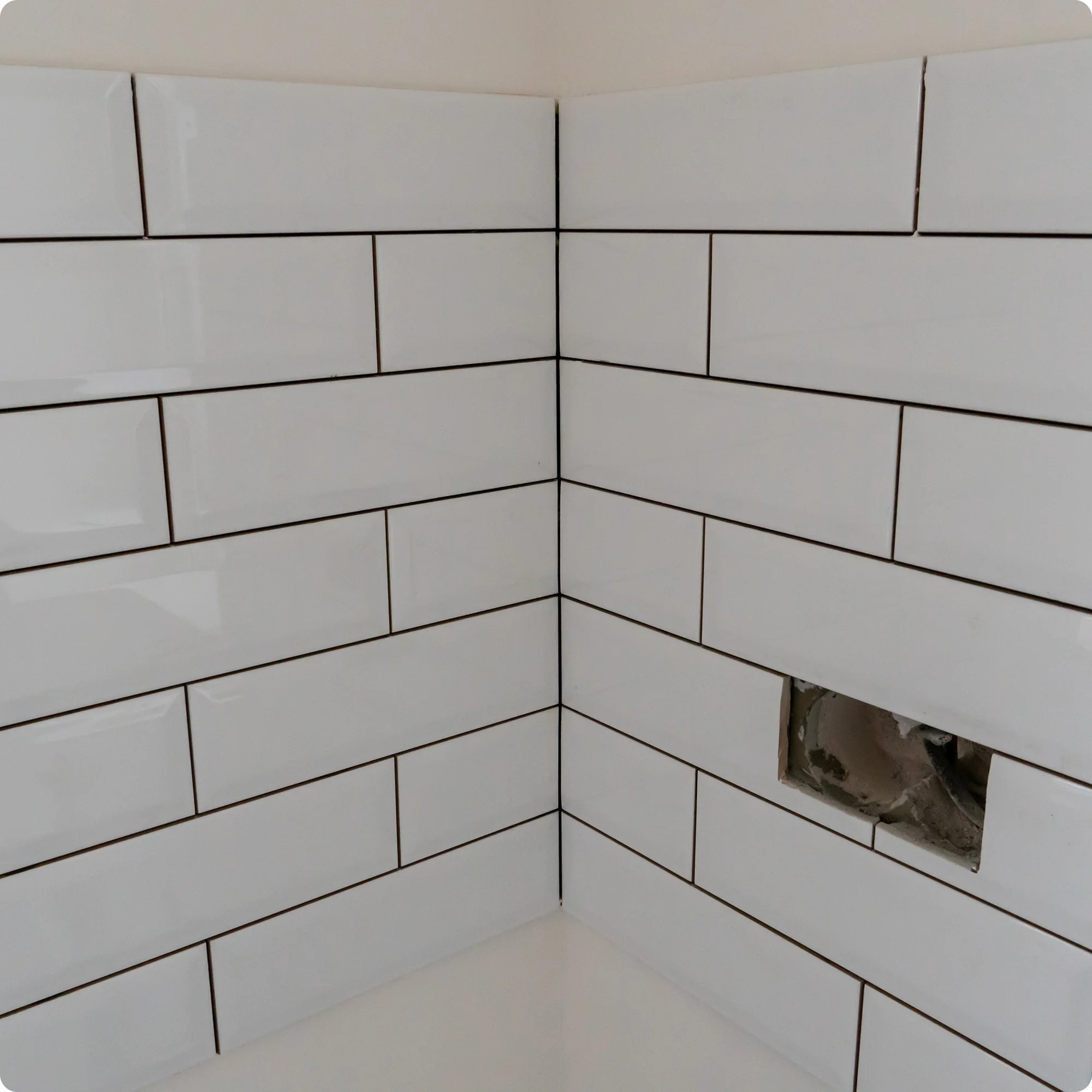
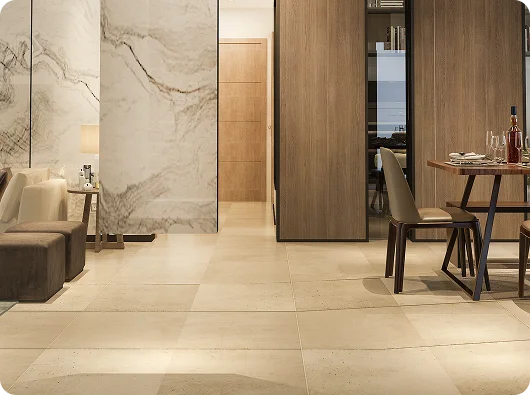
External wall cladding with tiles and natural stones on residential and commercial buildings
Best For tags
- Vitrified & Porcelain Tiles
- Kitchens & Bathrooms
- Residential & Builder Floors
- Showrooms & Commercial
Kitchen
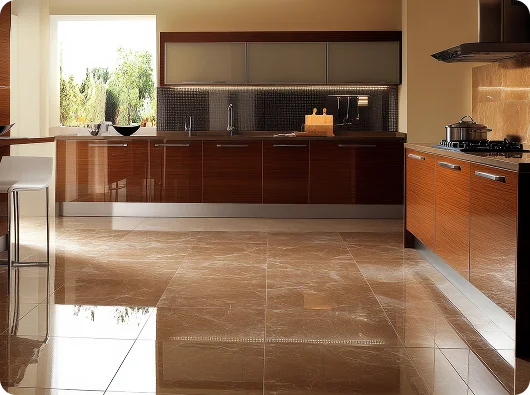
Kitchen backsplashes, dado walls and floors
BEST FOR
- Standard Ceramic
- Indoor Floors
- Residentials projects
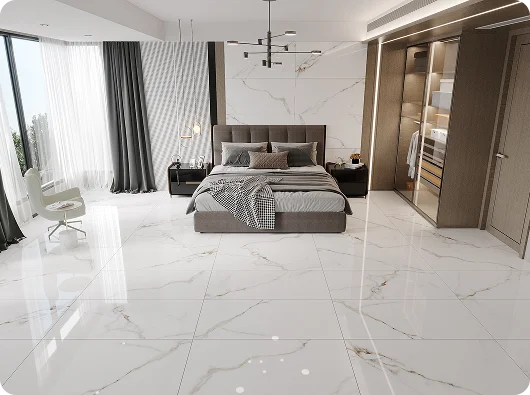
Vitrified Floor
Large-format vitrified floor tiles up to 600×1200mm
BEST FOR
- Standard Ceramic
- Indoor Floors
- Residentials projects

Balcony and Terrace
Balcony and terrace floor tile installation
BEST FOR
- Standard Ceramic
- Indoor Floors
- Residentials projects
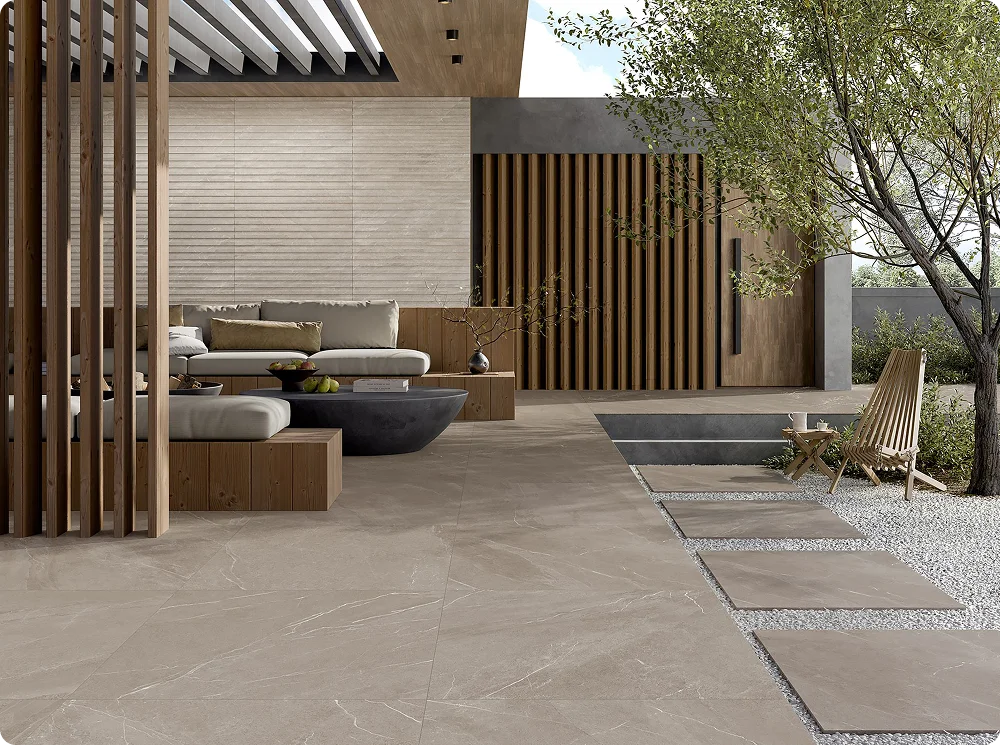
Exterior Floor
Exterior floor tiling exposed to rain and thermal cycling
BEST FOR
- Standard Ceramic
- Indoor Floors
- Residentials projects

Commercial Floors
Commercial floors — retail, offices, hotels, restaurants
BEST FOR
- Standard Ceramic
- Indoor Floors
- Residentials projects
Quantum is the top of the Veromaxx range — no step-up specification available. If Quantum is not adequate for the application, the correct next step is a reactive resin adhesive rather than cementitious.
Suitable Substrates & Tile Materials for Quantum
Suitable substrates: cured cement plaster (minimum 28 days), concrete slabs and walls, cement backer boards, external plaster and rendered walls, cement screed floors, existing sound tiled surfaces (with proper preparation), waterproofing membranes (with primer where specified). Substrates known to have some movement history can be tolerated – Quantum’s S1 deformability is designed exactly for this scenario. All substrates must be structurally sound and free of dust, oil, curing compounds, laitance and loose material.
Suitable tile and stone materials: any ceramic, vitrified, porcelain or glazed tile of any size; natural stones including marble (any type), granite, quartzite, limestone, sandstone, slate; oversized cladding panels; heavy stone slabs. Compatible with polished marble finishes and other non-porous premium materials that require the highest bond strength.
Quantum Tile Adhesive Technical Specifications
From interior residential luxury to demanding industrial facades, Veromaxx adhesives bond securely in every environment.
Product Code
Veromaxx Quantum
Base
Deformable, highly polymer-modified cementitious powder
Classification
IS 15477 Type 4 T-S1 / EN 12004 Class C2 TE S1
Colour
Grey (white variant available on request)
Mixing ratio
Approximately 25-28% water by weight of powder
Pot life
3-4 hours at 27°C
Open time
30 minutes minimum (E rating — extended open time)
Adjustment time
20-30 minutes
Tensile bond strength (initial)
≥ 1.0 N/mm² (per IS 15477 Type 2)
Coverage
7-9 kg per m² at 10mm bed thickness
Setting time (initial)
8-10 hours
Full cure
24 hours (light traffic), 72 hours (heavy load), 7 days (full deformability and chemical resistance)
Application temperature
5°C to 40°C substrate temperature
Pack size
20 kg
Shelf life
6 months from manufacture in sealed original packaging
Standard compliance
IS 15477 Type 4 T-S1, EN 12004 Class C2 TE S1
How to Mix & Apply Veromaxx Quantum
Follow this verified 4-step execution protocol to ensure a 100% void-free ceramic floor installation.
Verify structural adequacy for the load of the installation, particularly for façade cladding and heavy stone panels. Substrate must be sound, clean, and free of dust, oil, curing compounds, laitance and loose material. Prime porous substrates if specified.
For façade and elevation installations, install mechanical fixings (anchors, cramps, or clips) per structural engineer specification BEFORE adhesive application. Quantum is designed to work with mechanical fixings on tall façades, not as a sole retention system at height.
Measure clean water into a clean bucket at 25-28% by weight of powder (approximately 5-5.5 litres per 20kg bag). Add Veromaxx Quantum powder gradually while mixing with a low-speed drill and paddle. Mix for 5-7 minutes - the high polymer loading requires thorough mixing for full activation.
Apply the adhesive to the substrate using a 12mm or 15mm notched trowel held at 60°. For very uneven substrates, apply a scratch coat first then a full bed. Cover only the area you can tile within the 30-minute extended open time.
Let stand for 5-10 minutes for polymer activation, then re-mix briefly before use. The finished paste should be smooth, non-slumping, and non-sagging on vertical surfaces.
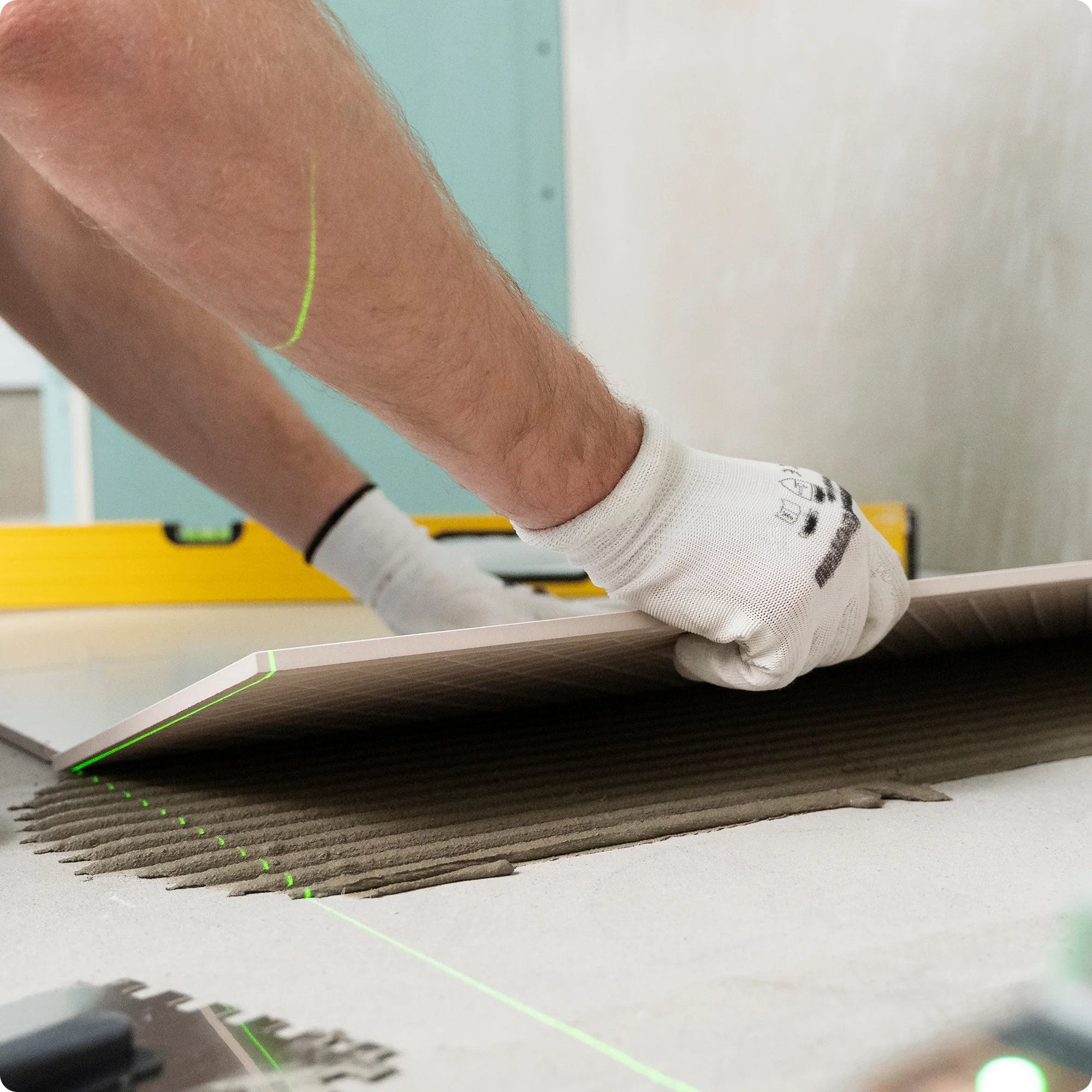
Back-butter every tile, stone panel and marble slab - apply a thin, even layer of Quantum to the tile back. Press firmly into the substrate adhesive bed with a twisting motion to collapse the ribs and achieve full 100% contact. Verify back coverage on the first few tiles by lifting and inspecting.
For façade cladding, ensure mechanical fixings are engaged as the tile is placed. Follow structural engineer sequencing for combined adhesive-and-mechanical retention systems.
Adjust tile position within the 20-30 minute adjustment time. Use tile spacers and check alignment, plumb and level regularly. Remove excess adhesive from faces and joints before it sets. Do not grout for at least 24 hours. Protect external installations from rain for the first 24 hours after application.
Verify structural adequacy for the load of the installation, particularly for façade cladding and heavy stone panels. Substrate must be sound, clean, and free of dust, oil, curing compounds, laitance and loose material. Prime porous substrates if specified.
For façade and elevation installations, install mechanical fixings (anchors, cramps, or clips) per structural engineer specification BEFORE adhesive application. Quantum is designed to work with mechanical fixings on tall façades, not as a sole retention system at height.
Measure clean water into a clean bucket at 25-28% by weight of powder (approximately 5-5.5 litres per 20kg bag). Add Veromaxx Quantum powder gradually while mixing with a low-speed drill and paddle. Mix for 5-7 minutes - the high polymer loading requires thorough mixing for full activation.
Apply the adhesive to the substrate using a 12mm or 15mm notched trowel held at 60°. For very uneven substrates, apply a scratch coat first then a full bed. Cover only the area you can tile within the 30-minute extended open time.
Let stand for 5-10 minutes for polymer activation, then re-mix briefly before use. The finished paste should be smooth, non-slumping, and non-sagging on vertical surfaces.
Back-butter every tile, stone panel and marble slab - apply a thin, even layer of Quantum to the tile back. Press firmly into the substrate adhesive bed with a twisting motion to collapse the ribs and achieve full 100% contact. Verify back coverage on the first few tiles by lifting and inspecting.
For façade cladding, ensure mechanical fixings are engaged as the tile is placed. Follow structural engineer sequencing for combined adhesive-and-mechanical retention systems.
Adjust tile position within the 20-30 minute adjustment time. Use tile spacers and check alignment, plumb and level regularly. Remove excess adhesive from faces and joints before it sets. Do not grout for at least 24 hours. Protect external installations from rain for the first 24 hours after application.
Quantum Tile Adhesive Drying & Curing Time
Veromaxx Quantum achieves initial set in 8-10 hours. Ready for grouting after 24 hours. Full mechanical strength develops over 72 hours. Full deformability performance (S1 rating) and full chemical resistance develop over 7 days — do not subject the installation to significant substrate movement, weathering or heavy load during this period. Protect external installations from rain for the first 24 hours. Cool weather (below 15°C) extends all curing times – allow additional cure time on winter façade work.
Why Choose Veromaxx Quantum Tile Adhesive?
Quantum is the specification for tile installations where callback risk and liability exposure cannot be accepted — high-rise façade cladding, premium marble work, elevation tile installations at height, and any project where substrate movement could otherwise cause debonding within a few years. Type 4 T-S1 (C2 TE S1) is the highest cementitious classification available under IS 15477 and EN 12004. It costs more per bag than lower grades; it eliminates the specification error that causes the most expensive tile installation failures. For serious cladding contractors, premium project specifiers and any installation where the tiles absolutely must hold for the life of the building, Quantum is the correct answer.
Complete Solutions for Every Stage of Tiling
From fixing and jointing to cleaning and finishing, Veromaxx provides a complete range of construction chemical solutions.
Tile Adhesive
High-bond solutions for ceramic, vitrified, porcelain and large-format tiles.
Grout
Reliable, waterproof jointing solutions for residential and commercial applications.
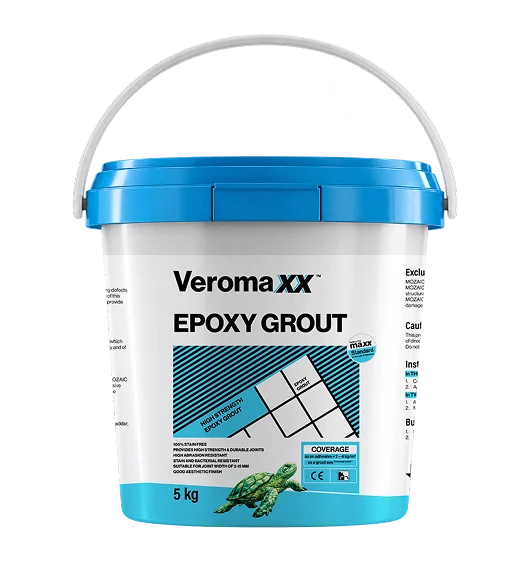
Epoxy Grout
Advanced chemical-resistant and stain-resistant protection for demanding environments.
FAQs About Veromaxx Quantum Tile Adhesive
Find answers to all your questions about our products, and applications.
Why is Quantum the correct specification for facade cladding?
Facade cladding faces three simultaneous stresses that lower-grade adhesives struggle with: (1) daily thermal cycling causing substrate expansion and contraction, (2) wind load creating dynamic movement, (3) building settlement over years. Class S1 deformability accommodates all three without transferring stress to the tile bond. Combined with mechanical fixings (required by building codes on tall facades), Quantum provides the redundant retention system that facade installations require.
What is the difference between Omega and Quantum?
Omega is Type 3 T (C2 TE) – highly polymer-modified but NOT deformable. Quantum is Type 4 T-S1 (C2 TE S1) — highly polymer-modified AND deformable (Class S1). Both support large tiles and thick-bed application. The critical difference is deformability, which matters specifically for facade, elevation, marble on movement-prone substrates, and any installation where substrate movement is a real risk. For cladding at height, Quantum is the correct choice. For large-format tiles on stable substrates, Omega is more economical.
Is Quantum suitable for high-rise buildings?
Yes, subject to structural engineer specification and local building codes. On tall building facades, most codes require mechanical fixings (anchors, cramps, clips) in addition to adhesive as a safety redundancy – Quantum is designed to work in combination with mechanical fixings, providing the primary bond while mechanical fixings act as safety backup. Adhesive-only facade retention at significant height is not acceptable regardless of adhesive grade.
Can Quantum be used for marble installation?
Yes. Quantum is the specification of choice for marble installation on walls and floors, particularly for large marble panels, polished marble on movement-prone substrates, and any premium marble project where longevity matters. The high polymer loading delivers reliable bond to polished stone surfaces, and the S1 deformability accommodates any substrate movement without transferring stress to the marble.
What is the biggest tile size Quantum can handle?
Quantum has no specified upper tile size limit. It handles standard vitrified tiles, large-format 1200mm tiles, oversized 1800mm panels, and heavy marble slabs. The practical limit is set by structural fixing requirements for the panel weight, not by the adhesive itself. For very heavy oversized panels, structural engineer specification for mechanical support is essential.
How much Quantum do I need for a facade cladding project?
At 10mm bed thickness with mandatory back-buttering, budget approximately 10-11 kg per m² of installation area. For 15mm bed thickness on uneven substrates or oversized panels, budget 13-15 kg per m². Add 15-20% waste allowance for standard facade cladding, 20-25% for complex geometries. For accurate project quantification, contact our project supply team with your drawings.
Is Quantum more expensive than other Veromaxx tile adhesives?
Yes, Quantum is the premium specification with the highest per-bag cost in the Veromaxx tile adhesive range – reflecting the highly polymer-modified formulation, deformable chemistry, and Class S1 deformability certification. However, on facade cladding, marble installation and premium projects, the specification cost is a small fraction of the total project value, and the alternative (installation failure requiring rework, safety incident, or building damage) costs many times more. For the applications Quantum is designed for, the specification cost is fully justified.